Plumbing in 2000s Homes in Ladera Ranch: What Is Inside the Walls 20-Plus Years Later
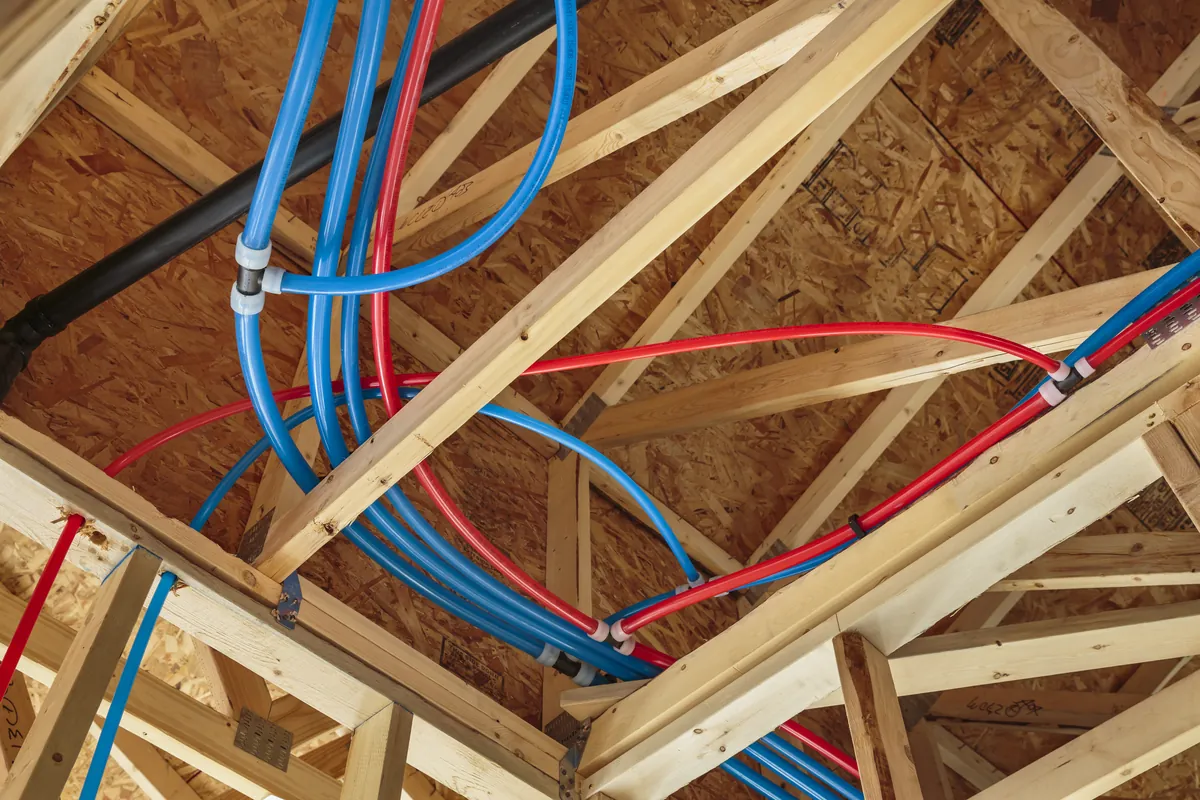
Most Ladera Ranch homes were built from about 1999 through the 2000s. What supply piping and fixtures that era typically used, the wear points owners see at the…
Ladera Ranch began selling homes around 1999, and most of its villages, from Oak Knoll and Flintridge to Covenant Hills and Township, filled in during the 2000s. Many of those homes are now 20 years old or more. That is not old by plumbing standards, but it is old enough for certain parts to show their age.
What supply piping was common
Builders in Southern California during this period used a mix of materials. Depending on the builder and phase, you may find:
- Type M or Type L copper, often run through attics and walls rather than under the slab.
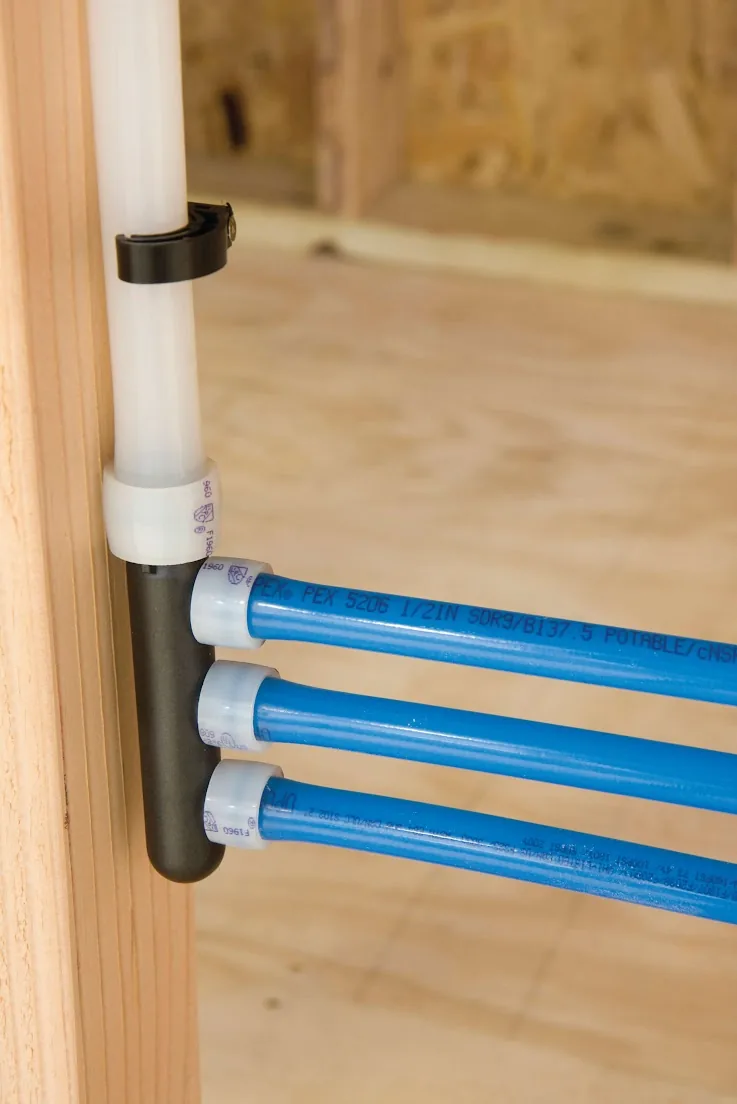
- Early PEX systems, sometimes with a manifold in a garage or closet.
- In some regional markets, composite PEX-AL-PEX (including Kitec) was used during the late 1990s and 2000s. It often has orange (hot) and blue (cold) pipe with brass fittings.
You can usually identify the material where it enters the water heater, at the main shutoff, or under sinks behind the stop valves.
Common 20-year wear points
- Stop valves under sinks and toilets that no longer close fully.
- Braided supply lines to faucets and toilets past their recommended life.
- Water heaters near or beyond typical life spans, plus their flex connectors and expansion tanks.
- Pressure reducing valves that have drifted, causing high or uneven pressure.
- Pinhole leaks in copper in some homes, often linked to water chemistry, velocity or installation details.
- On composite pipe systems, brass fitting corrosion that can lead to leaks.
Why attic piping matters here
Many Ladera homes route supply lines through the attic. Summer heat in South County attics is significant, and a leak overhead can damage ceilings before anyone notices. Glance at ceilings below bathrooms and laundry rooms for stains, and listen for running water when nothing is on.
Good habits for this era of home
- Find and label the main shutoff and the water heater shutoff.
- Test the stop valves once a year by closing and reopening them gently.
- Replace braided lines on a schedule rather than waiting for failure.
- Check pressure with a hose bib gauge; most homes are comfortable in the 50 to 70 psi range.
- Note the pipe material and any visible fitting corrosion.
HOA notes
LARMAC and the individual village associations have architectural and contractor rules. Interior plumbing work usually does not need HOA approval, but contractor parking, hours and any exterior changes may.
Quick takeaways
- Ladera homes are mostly 1999 to 2000s builds with copper, PEX or composite pipe.
- Small parts such as stop valves, braided lines and PRVs wear first.
- Attic piping makes early leak detection important.
Related reading
On this site, see thermal expansion plumbing and leaking PEX fitting. Neighbors can visit Mission Viejo, Rancho Santa Margarita and Laguna Niguel, or browse every city at repipeinc.com.
Not sure what pipe is in your walls?
Request a free quote to have a licensed C-36 contractor identify and assess the piping in your Ladera Ranch home. Get my free quote. Our AI system alerts a technician instantly, so you get a fast callback.
Repipe OC, 23821 Hillhurst Drive, Laguna Niguel, CA 92677, (949) 524-2362, CSLB #1087885 C-36.
Repipe OC near you
Not in Ladera Ranch? The same crew serves nearby cities. See every city we serve, or jump to a neighboring city:
 Written by Repipe OC · CSLB #1087885 C-36 · 23821 Hillhurst Drive, Laguna Niguel, CA 92677 · (949) 524-2362