How to Run a Water Hardness Test in Ladera Ranch and Read the Results
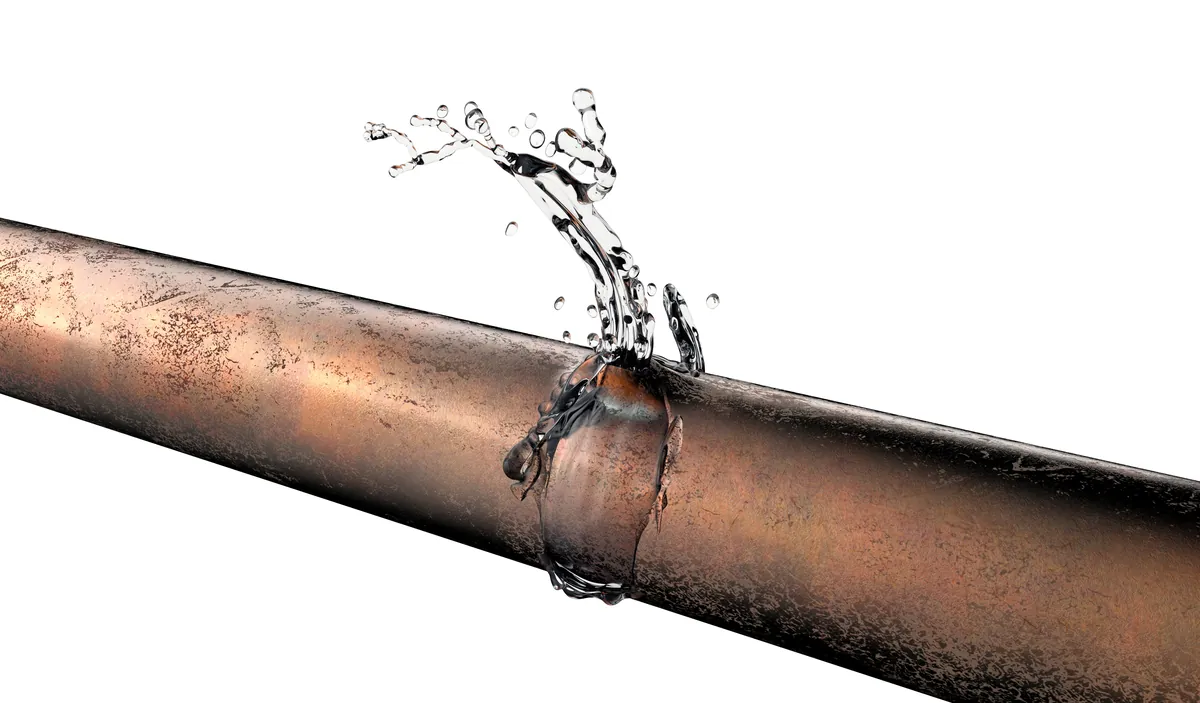
Scale on fixtures and spots on glasses point to hard water, but a test tells you how hard. Here is how Ladera Ranch homeowners can check and what the numbers mean.
White crust around faucet bases, cloudy shower glass and a kettle that fills with flakes are all clues that your water carries a lot of minerals. Before buying any treatment equipment, it is worth knowing the actual number. This guide explains how a Ladera Ranch water hardness test works, which methods are most reliable, and how to read the result. A water hardness test in Ladera Ranch takes only a few minutes and gives you a solid starting point.
What hardness means
Hardness is mainly dissolved calcium and magnesium. It is not a health concern for most people, but it affects how soap lathers, how much scale builds inside water heaters and fixtures, and how quickly aerators and showerheads clog. Hardness is usually reported in grains per gallon or milligrams per liter as calcium carbonate. One grain per gallon equals about 17.1 milligrams per liter.
A common scale used by government agencies groups water roughly this way:
- Soft: up to about 60 mg/L.
- Moderately hard: about 61 to 120 mg/L.
- Hard: about 121 to 180 mg/L.
- Very hard: above about 180 mg/L.
These ranges are guidelines rather than strict cutoffs. Two homes on the same street can notice hardness differently depending on water heater temperature, fixture finishes and how often surfaces are wiped down. The number simply gives you a consistent way to compare before and after any change.
Start with the water quality report
The easiest first step is free. Ladera Ranch is served by the Santa Margarita Water District, and like every California water provider it publishes an annual water quality report that lists average hardness and a range. Because many south Orange County supplies blend imported water, hardness can shift with the season and source.
Home test methods
- Test strips: dip a strip in a cold water sample and compare the color to a chart. Quick and inexpensive, with moderate accuracy.
- Titration kits: add drops of reagent to a measured sample until the color changes, then count the drops. More precise than strips.
- Digital meters: total dissolved solids meters measure all dissolved minerals, not hardness alone, so they give only a rough idea.
- Lab testing: a certified lab can report hardness along with other parameters, useful if you also want to check metals.
Getting a good sample
Run the cold kitchen tap for a minute so the sample reflects water from the main, not water that sat in the line. Use a clean glass, not one with soap residue. If you already have a softener or conditioner, test both before and after the equipment to see how it is performing. Testing the hot side is less useful, since the water heater can change mineral content.
Water hardness test in Ladera Ranch homes
Ladera Ranch was built mostly from the late 1990s through the 2000s, in villages such as Covenant Hills, Terramor and Flintridge, and many homes have copper or early plastic supply piping in the walls and attics. Hard water leaves scale inside water heaters, tankless units and fixture cartridges, which can lower efficiency and shorten service life. A Ladera Ranch water hardness test is a smart first step before replacing a water heater or choosing treatment, because the result helps you decide what is worth installing. Some HOAs also have guidelines on where treatment equipment can be placed outside the home.
Turning results into decisions
If your result is moderate, regular aerator cleaning and water heater flushing may be enough. If it is hard or very hard, a softener or conditioner may be worth comparing, along with the space, drain and salt needs each one brings. Recheck after any equipment is installed, and keep the results in a home file.
When scale is not the whole story
Hardness explains white crust. It does not explain blue-green stains, rust-colored water, pinhole leaks or a metallic taste. Those signs point to the pipes themselves. Keep notes and photos of what you see alongside your water hardness test in Ladera Ranch results, so a licensed plumber can tell what is mineral and what is pipe wear.
Quick takeaways
- Hardness is calcium and magnesium; one grain per gallon is about 17.1 mg/L.
- Start with the water district report, then confirm with a home test.
- Test cold water from the kitchen tap after a short flush.
- Stains, leaks and metallic taste are pipe questions, not hardness questions.
Related reading
On this site, see how fast hot water runs out and water-saving plumbing fixtures. Neighbors can visit Mission Viejo, Rancho Santa Margarita and Laguna Niguel, or browse every city at repipeinc.com.
Questions about a water hardness test in Ladera Ranch?
Request a free quote and talk with a licensed C-36 plumbing contractor about scale, water heaters and the piping in your home. Get my free quote. Our AI system alerts a technician instantly, so you get a fast callback.
Repipe OC, 23821 Hillhurst Drive, Laguna Niguel, CA 92677, (949) 524-2362, CSLB #1087885 C-36.
Repipe OC near you
Not in Ladera Ranch? The same crew serves nearby cities. See the Repipe OC hub (repipeinc.com), or jump to a neighboring city:
 Written by Repipe OC · CSLB #1087885 C-36 · 23821 Hillhurst Drive, Laguna Niguel, CA 92677 · (949) 524-2362